
IPS cloudPenetration Testing
Protect your AWS, Microsoft Azure, and Google Cloud environments with comprehensive cloud security assessments, configuration reviews, and penetration testing. IPS helps organizations identify misconfigurations, validate security controls, and strengthen their cloud security posture while supporting compliance requirements.

What is CloudPenetration Testing?
A Cloud Security Assessment is a comprehensive evaluation of your cloud environment that combines configuration reviews, identity and access management analysis, vulnerability assessments, and controlled penetration testing.
Unlike traditional penetration testing alone, cloud assessments examine how your cloud infrastructure is configured, how identities are managed, how data is protected, and whether your security controls follow industry best practices.
IPS performs assessments across Infrastructure as a Service (IaaS), Platform as a Service (PaaS), and Software as a Service (SaaS) environments to help organizations reduce risk, improve visibility, and strengthen cloud security.
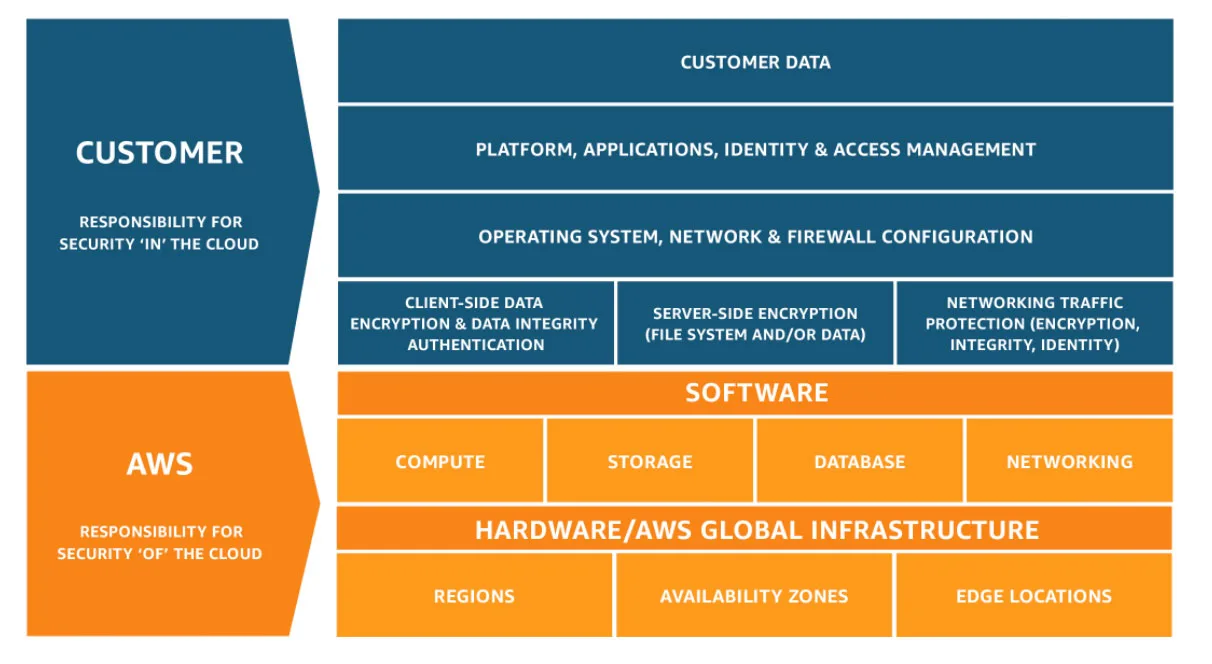
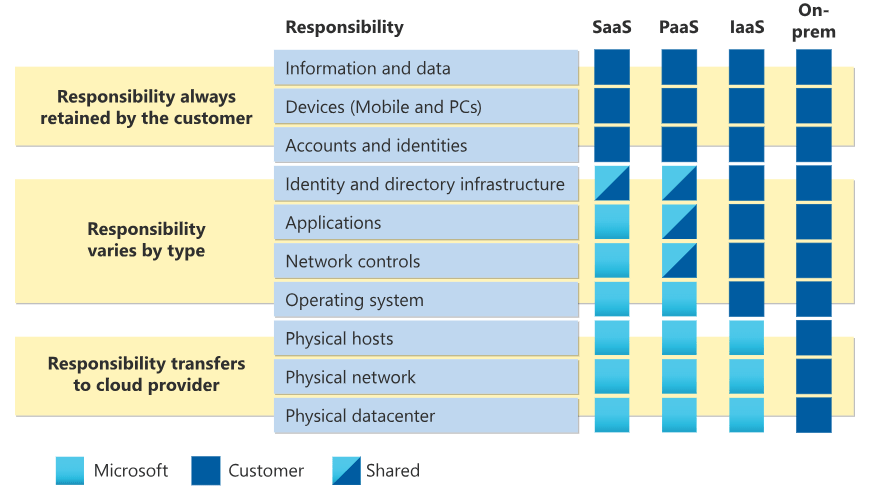
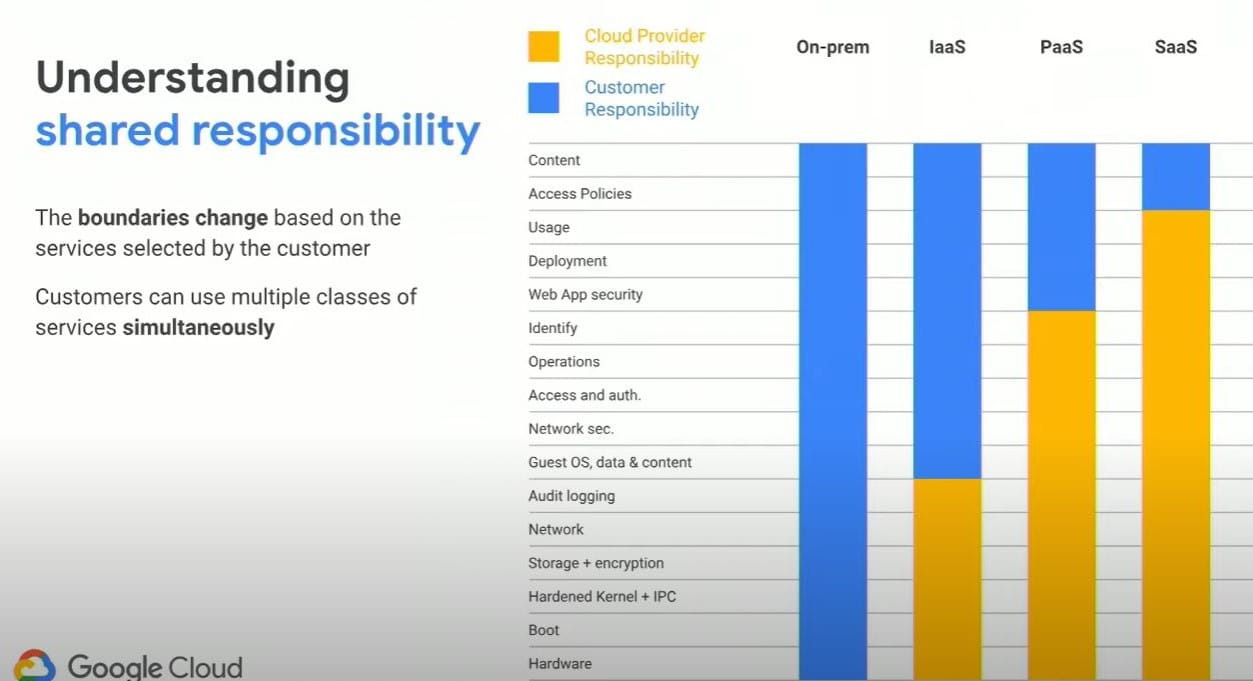
Understanding the Shared Responsibility Model inCloud Computing
Cloud Provider Responsibilities
Cloud providers secure the underlying cloud infrastructure, including physical data centers, networking, virtualization platforms, and managed cloud services.
Customer Responsibilities
Organizations remain responsible for protecting users, identities, applications, workloads, operating systems, configurations, data, and access permissions within their cloud environment.
Key CloudStats to Know
What the stats reveal about the potential impact of cybersecurity in your cloud environment.
Price vs. Cost
According to IBM, the average cost of a cloud data breach is $4.35 million.
The Importance of Proactive Cloud Penetration Testing
Almost half of all data breaches occur in the cloud.
Cloud Assessment Gaps
Only 20% of organizations assess their cloud security posture in real-time, while 58% report assessing their environments less than once a month.
What Will be Assessed
IAM Access Analyzer
Analyze and validate IAM Access Analyzer findings to ensure that permissions granted by policies are appropriately scoped. Test for any unintended access paths that could expose sensitive resources.
AWS - IAM
Evaluate IAM roles, policies, and permissions to identify overly permissive access or potential privilege escalation. Test for compliance with the principle of least privilege and ensure that policies are correctly applied to users and groups.
AWS Config
Assess AWS Config rules and compliance reports for any misconfigurations or policy violations. Test the effectiveness of automated compliance checks and the response to detected configuration changes.
AWS CloudTrail
Evaluate CloudWatch monitoring configurations for all critical resources. Test alerting and monitoring setups to ensure that anomalies are detected and responded to in a timely manner.
AWS VPC
Assess VPC configurations, including subnets, route tables, and network ACLs, to identify potential vulnerabilities. Test the segmentation and isolation of sensitive network resources and verify proper setup of security groups and firewall rules.
AWS S3 and EC2
For S3, test bucket permissions, encryption settings, and data access controls. For EC2, evaluate instance configurations, security groups, and key management practices to ensure they adhere to security best practices.
Identity Management
Assess Azure Active Directory (AD) for user and group management practices. Test for proper application of role-based access control (RBAC) and verify that multi-factor authentication (MFA) is enforced where necessary.
Network Security
Evaluate Azure Network Security Groups (NSGs), application security groups, and firewalls for misconfigurations and vulnerabilities. Test network segmentation and inbound/outbound traffic controls.
Logging and Threat Detection
Evaluate Azure Monitor and Log Analytics configurations for completeness and effectiveness. Test for proper setup of alerting mechanisms and the ability to detect and respond to security incidents.
Data Protection
Review data encryption methods for Azure services, including data at rest and in transit. Test backup and recovery procedures for critical data and ensure compliance with data protection policies.
Endpoint Security
Evaluate the security of endpoints managed through Azure Security Center and Microsoft Defender. Test for proper configuration of endpoint protection policies and threat detection capabilities.
Incident Response
Assess Azure Security Center’s incident response capabilities. Test the integration of incident response workflows and the effectiveness of automated response actions.
Backup and Recovery
Review Azure Backup configurations and test recovery procedures for critical data. Ensure that backup policies are correctly applied and that data can be restored as needed.
Identity and Access Management
Review IAM roles and policies for Google Cloud resources. Test for adherence to the principle of least privilege and validate that permissions are correctly assigned.
Logging and Monitoring
Assess Google Cloud Logging and Monitoring configurations for coverage and effectiveness. Test for proper setup of alerts and responses to detected anomalies.
Virtual Machine Instances
Review VM instance configurations for security best practices. Test access controls, instance security settings, and patch management practices.
Kubernetes Engine
Review security settings for Google Kubernetes Engine (GKE), including cluster configurations, role-based access control (RBAC), and network policies. Test for proper isolation and security of containerized applications.
Storage Security
Assess security settings for Google Cloud Storage, including bucket permissions, encryption, and access controls. Test for proper configuration and protection of stored data.
Cloud SQL Database
Evaluate security configurations for Cloud SQL instances. Test for proper access controls, encryption settings, and database security measures.
Virtual Networking
Evaluate Google Cloud VPC configurations, including firewall rules, subnets, and network tags. Test for proper network segmentation and access controls.
Our AssessmentMethodology
Step 01 — Discovery & Scoping
We define objectives, cloud environments, accounts, assets, and assessment scope to ensure testing aligns with your business requirements.
Step 02 — Configuration Review
Our consultants evaluate cloud configurations, identity management, networking, logging, encryption, and security controls against industry best practices.
Step 03 — Security Validation
We validate identified vulnerabilities through controlled penetration testing and realistic attack simulations while following provider-approved testing guidelines.
Step 04 — Reporting
You receive a comprehensive report with technical findings, business risk ratings, remediation priorities, and actionable recommendations.
Step 05 — Remediation Validation
After remediation, IPS can perform verification testing to confirm vulnerabilities have been resolved and security improvements are effective.
Remediation &Continuous Improvement
Our engagement doesn’t end with the assessment.
IPS provides:
- Detailed remediation guidance
- Technical implementation assistance
- Security best-practice recommendations
- Optional validation testing
- Continuous improvement recommendations
- Ongoing cloud security consulting
The Benefits of Conducting Cloud Penetration Testing?
Improve Cloud Visibility
Gain complete visibility into identities, workloads, cloud services, and security configurations across your environment.
Protect Critical Data
Strengthen encryption, identity management, storage security, and access controls to safeguard sensitive business information.
Reduce Security Risks
Identify vulnerabilities, excessive permissions, exposed services, and configuration weaknesses before attackers can exploit them.
Strengthen Incident Readiness
Evaluate monitoring, logging, alerting, and incident response capabilities through realistic attack scenarios.
Support Regulatory Compliance
Validate cloud security controls against industry standards and regulatory requirements, including ISO 27001, NIST, CIS Benchmarks, PCI DSS, HIPAA, and GDPR.
Why Choose IPS for Web Application Penetration?
IPS combines cloud architecture expertise, offensive security testing, and governance best practices to deliver actionable cloud security assessments—not just vulnerability reports.
Our consultants manually validate findings, eliminate false positives, prioritize remediation based on business risk, and provide practical recommendations that strengthen your cloud environment over time.
Whether your organization operates in Amazon Web Services (AWS), Microsoft Azure, Google Cloud Platform (GCP), or a hybrid cloud environment, IPS helps you reduce risk, improve visibility, and build a secure cloud foundation that supports long-term business growth.
Drop Us a Line
About Your Project
Submit the form or get in touch with us by email. You’ll get a response within one business day from an IPS expert skilled in your tech stack, industry, or specific business challenge. It would be a pleasure to work with you!
Email: contact@it-prosolution.com

IPS has been a trusted technology partner, providing reliable IT support, proactive cybersecurity guidance, and responsive service whenever we needed assistance. Their team understands the unique challenges of educational environments and consistently delivers solutions that help our staff and students stay connected, secure, and productive.

IPS delivered exceptional technical expertise and professionalism throughout our engagement. Their team was responsive, knowledgeable, and proactive in resolving complex IT challenges while ensuring minimal disruption to our operations. We value their commitment to quality service and dependable support.
This site is protected by Cloudflare Turnstile. The Privacy Policy and Terms of Service apply.